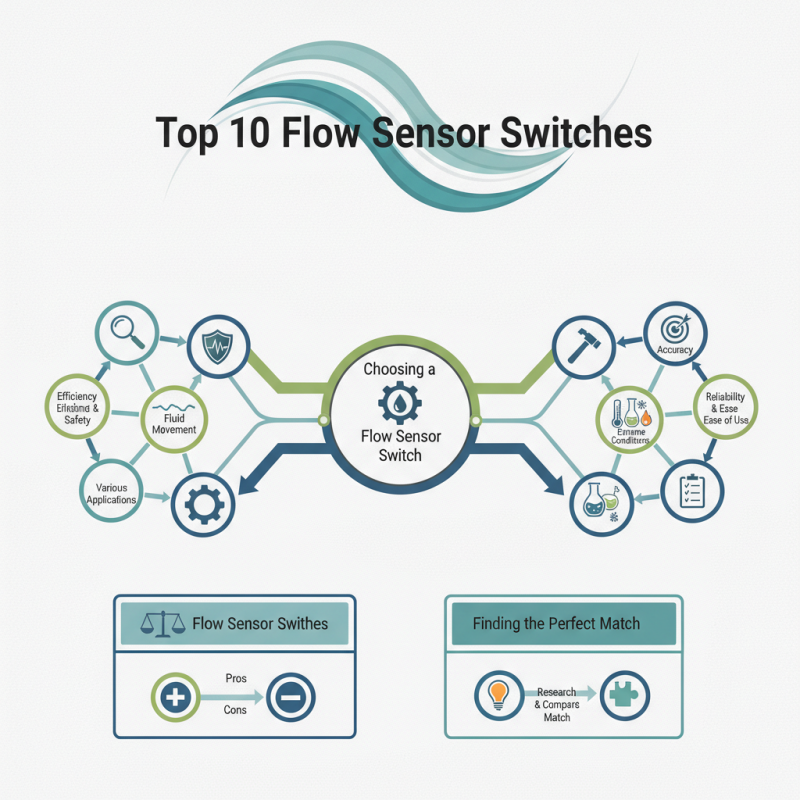
Picking out a Flow Sensor Switch isn’t exactly a walk in the park. There are quite a few things to think about. These little gadgets are super important for all sorts of applications—they help keep an eye on how fluids move, making sure everything runs smoothly and safely. You’ve got tons of companies out there offering different models, each with its own set of features. Some might be great for accuracy, while others are built tough to last longer.
Honestly, choosing the right one can feel a bit overwhelming. Every option has its good and bad sides. For example, some switches might not hold up well in extreme weather or harsh conditions, and others might not play nicely with certain fluids. That’s why it’s really important to think about what you actually need.
Ask yourself: How does this sensor fit with what I’m doing? Is it reliable? Easy to handle? Not every Flow Sensor Switch is going to tick all the boxes for every situation. So, do your homework—research and compare a few options before pulling the trigger. A small mistake now could cause a big headache later. Finding that perfect fit really is key to keeping your setup running at its best.
Flow sensor switches play a crucial role in various industrial applications. They monitor fluid flow and ensure optimal operation in systems. Proper flow management enhances efficiency and reduces waste. According to recent industry reports, flow sensor switches can increase system efficiency by up to 20%. This statistic emphasizes the importance of selecting the right sensors for your specific needs.
Tips: Always assess your system's requirements before choosing a flow sensor. Understanding your flow rate, fluid type, and environmental conditions is essential. Not all sensors perform well in every situation, and compatibility issues can arise.
Flow sensor switches are widely used in water treatment, HVAC systems, and manufacturing. Their applications extend to agriculture and food processing. Each sector has unique requirements, which a Flow Sensor Switch Factory addresses with tailored solutions. Regular maintenance and calibration are key. Neglecting these aspects may lead to inaccurate readings and costly downtime.
Tips: Schedule routine checks for your flow sensors. This proactive approach can prevent unforeseen disruptions in your operations. Choose a reputable manufacturer for quality assurance.
When choosing flow sensor switches, consider several key features for optimal performance. Accuracy is crucial. Look for sensors that provide precise measurements. A small error can lead to significant issues in various applications. Also, ensure that the response time is quick. A fast response helps maintain reliable flow control.
Another important feature is compatibility. The sensor should fit within your existing system easily. Consider the materials of construction. They should be able to withstand harsh conditions. Corrosion-resistant materials can prolong the lifespan effectively. You shouldn't overlook installation ease. Complicated setups can lead to errors.
Tip: Check if the device has a user-friendly interface for monitoring.
Power source options are vital too. Make sure the switch can operate efficiently with your power setup. Wireless options are becoming more popular, but not always necessary. If you are uncertain, consult with a professional for better guidance.
Tip: Regular maintenance is essential for avoiding unexpected failures.
When exploring flow sensor switches, it's essential to understand their applications. These devices monitor fluid movement. They help in various industries like HVAC and water management. Each type has unique features. Some are designed for high accuracy; others for cost-effectiveness. Choosing the right one can be tricky.
Compatibility with existing systems is crucial. Some sensors may not integrate well. This can lead to inefficiencies. Always check the specifications. The installation process is another consideration. It might require specialized skills. Flow sensor switch companies often provide guidance, but the learning curve can be steep.
Performance is key in selecting a flow sensor switch. Too often, users prioritize price over quality. This can result in unexpected maintenance issues. Regular calibration is necessary for reliable operation. Without it, even the best devices can underperform. Reflecting on these points will lead to better choices.
In the realm of industrial automation, flow sensor switches play a crucial role. Understanding their performance can prove essential for effective system management. Studies indicate that up to 60% of flow sensor switches can vary in sensitivity. This discrepancy can impact overall efficiency, and proper selection is paramount.
Flow sensor switches utilize different technologies, such as mechanical, thermal, and ultrasonic methods. Each type offers unique advantages and limitations. For instance, mechanical switches may struggle with precision. On the other hand, thermal sensors often deliver better accuracy. However, their susceptibility to environmental factors may lead to inconsistent readings. Industry reports highlight that 30% of users have reported issues related to accuracy. This raises questions about the reliability of available options.
Moreover, energy consumption remains a concern. Recent findings show that some Flow Sensor Switch Products consume excessive power, which can inflate operational costs. Hence, organizations need to consider not only functionality but also energy efficiency. Weighing these factors can help achieve better long-term performance. Users often overlook the importance of maintenance. Regular calibration and cleaning can make a significant difference in sensor accuracy. It's vital to reflect on the total cost of ownership when choosing a flow sensor switch product.
When installing a flow sensor switch, proper placement is crucial. Choose a straight section of pipe for installation. It helps in getting an accurate reading. Avoid areas with bends or fittings. These can disrupt the flow. Proper alignment also matters. Ensure the sensor is level for optimal performance.
Regular maintenance keeps the flow sensor in good shape. Clean the sensor periodically. Dust and debris can accumulate and affect readings. Use a soft cloth and mild cleaner. Check the wiring connections too. Loose connections may lead to erratic behavior. It’s essential to inspect both the sensor and the switch regularly. Noticing small issues early can prevent larger problems later.
Flow sensor switches are vital for various applications. However, they can face common issues that affect their performance. One typical problem is inaccurate readings. This can lead to improper system function. Regular calibration is essential to ensure accuracy. Checking the calibration settings can prevent potential errors before they escalate.
Another issue is blockages within the flow sensor. Debris may cause sensors to underreport flow rates. Regular maintenance and cleaning can mitigate this issue. Ensure your sensor is free from any obstacles. Applying protective covers can also help reduce contamination.
Tips: Be proactive with routine checks. If you notice fluctuation in readings, investigate. Sometimes, the simplest solutions can fix complex problems. Do not ignore unusual sounds or signals from your device. This could indicate underlying issues needing attention. Listen carefully and analyze every detail for effective troubleshooting.
As industries evolve, so does flow sensor technology. Recent innovations focus on improved accuracy and rapid response times. New materials and designs enhance durability. These advancements make sensors more versatile across various applications, from water management to industrial processes.
Data analytics is another emerging trend. Sensors now integrate seamlessly with IoT systems. This connection allows for real-time monitoring and data collection. Insights lead to better decision-making. However, these systems can be vulnerable to cyber threats. Maintaining data security remains a critical challenge for manufacturers.
Moreover, environmental concerns are shaping flow sensor development. Many companies are pushing for energy-efficient solutions. These innovations can reduce environmental impact. However, balancing cost and sustainability is not straightforward. Companies must consider both performance and ecological footprint. Prioritizing Flow Sensor Switch Service will help companies remain competitive while addressing these ongoing concerns.
Elevating your home aesthetic can be remarkably simple with the right decorative elements, and the YDLS201 Decorative Rocker Switch serves as a perfect example of style meeting functionality. This premium commercial-grade switch not only enhances the visual appeal of any room but also assures safety and reliability. Its design incorporates back inserts and side connections that easily accommodate ground screws, ensuring that you not only enhance your decor but also prioritize the safety of your home environment.
One of the standout features of the YDLS201 is its compatibility with standard junction boxes, which makes installation a breeze. The shallow body of the switch allows it to fit seamlessly into the existing space without compromising on design. Whether you’re redecorating a cozy living room or refreshing a vibrant kitchen, this decorative rocker switch becomes an integral part of the overall aesthetic. Its sleek appearance effortlessly blends with various interior styles, providing that elegant touch that can transform an ordinary space into something truly special.
: You can hike, bike, camp, and fish. Each activity offers unique experiences.
Consider your fitness level and the trail's difficulty. Maps often show elevation.
Bring a tent, sleeping bag, food, and water. Don't forget a first-aid kit.
Always inform someone about your whereabouts. Stay hydrated and be aware of wildlife.
Follow local regulations and leave no trace. Respect wildlife and other visitors.
Seek shelter and wait it out. Have a backup plan and know when to turn back.
Practice regularly. Join workshops or find experienced friends to learn from.
Yes, but maintain a safe distance. Avoid disturbing animals in their habitat.
Stay calm. Use a map and compass if available. Signal for help if needed.
Reflection helps you learn from mistakes and improve future adventures. It’s essential for growth.
Flow sensor switches play a crucial role in various applications by monitoring and controlling the flow of liquids and gases. Their importance is highlighted in industrial processes, HVAC systems, and water management, where accurate flow measurement is essential for operational efficiency. When choosing a flow sensor switch, it’s vital to consider key features such as accuracy, response time, compatibility with different fluids, and ease of installation.
The article provides a comprehensive overview of the top 10 flow sensor switches currently available, along with a comparative analysis of their performance metrics. It also offers practical installation and maintenance tips, addressing common issues users might face and providing troubleshooting advice. Furthermore, it explores future trends in flow sensor technology, emphasizing innovations that could enhance their functionality and reliability in various applications.
