Leave Your Message
0%

When you're thinking about sprucing up your space, picking the right recessed downlight is a pretty big deal. It really affects how everything looks and feels, not to mention how well your space functions. Did you know that, according to the North American Lighting Association, Recessed Lighting makes up over 20% of the lighting market in homes? That just shows how popular and important it’s become. These days, more folks are after energy-efficient options, and recessed downlights are a win since they not only look sleek but also support LED tech—which can cut down energy use by up to 75%. At Zhejiang Yuantai Electrical Technology Co., Ltd., or YOTI for short, we focus on designing, manufacturing, and selling electrical products for North American buildings. We make sure everything we offer meets strict standards like ISO9001, UL, ETL, and TITLE24. So, if you're trying to figure out the best recessed downlights for your space, this guide will help you understand your options and create that perfect lighting setup you’ve been dreaming of.
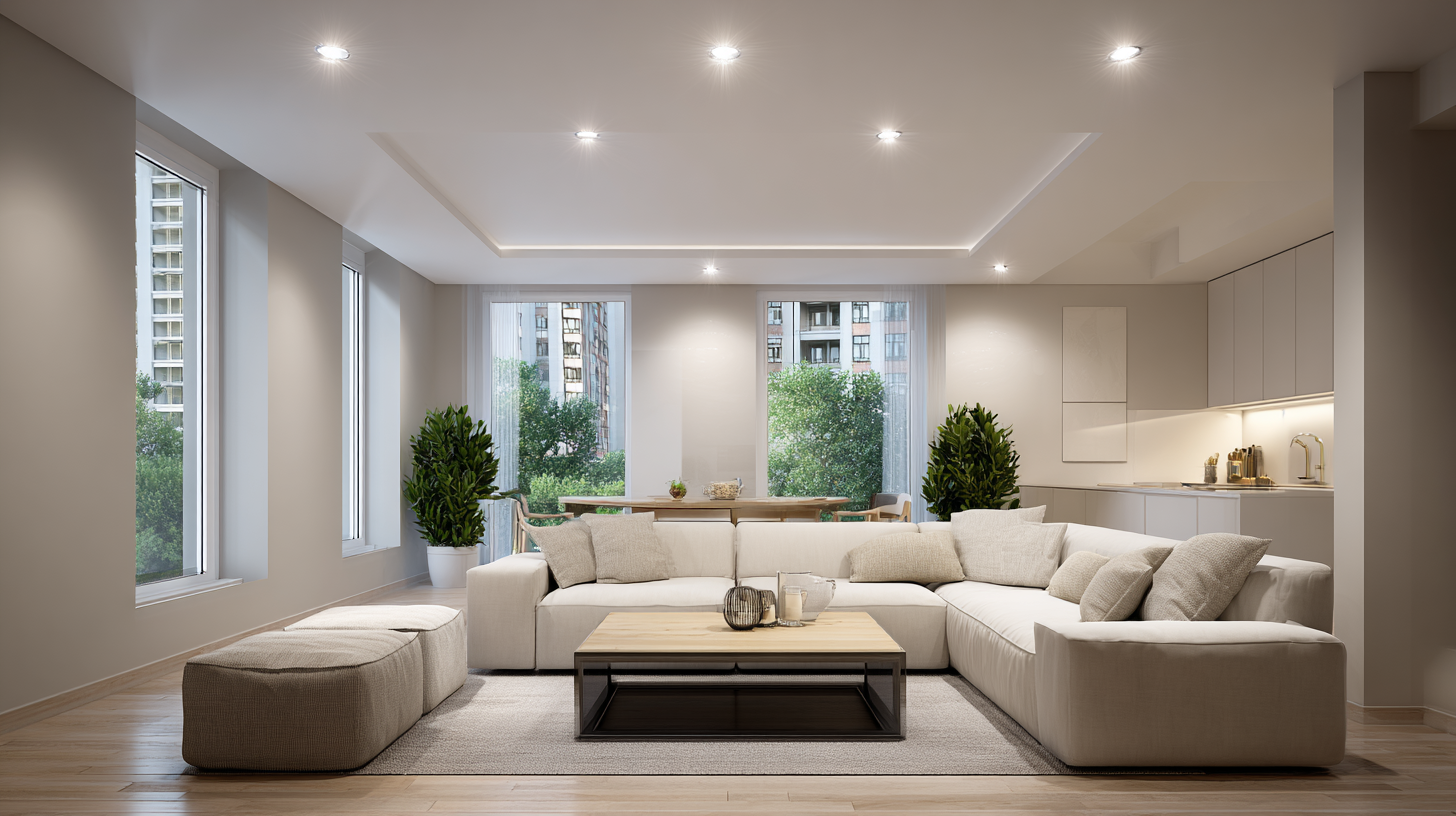
Enhancing Your Space: The Ultimate Guide to Choosing the Perfect Recessed Downlight

Understanding the Basics of Recessed Downlights: Types and Functions

Recessed downlights have become a pretty popular pick when it comes to modern lighting. They give off that sleek, clean look and blend right into the ceiling, so your space doesn’t feel cluttered. But figuring out which ones to go for? It all starts with understanding the different types. Usually, you’re looking at three main categories: IC-rated, Non-IC rated, and adjustable downlights. The IC-rated ones are great if you’ve got insulated ceilings—they’re designed to prevent overheating and are super safe and reliable. Non-IC rated downlights are more for areas without insulation—think of them like a no-go zone around insulation to keep everything safe from fire risks. And then there are the adjustable ones, which are super handy because you can tilt or aim them exactly where you want the light, perfect for highlighting artwork or creating just the right mood.

Besides knowing the types, it’s also important to get a sense of what these lights can do. It really depends on where you put them and what kind of bulbs you choose. For example, warm-white LEDs can make your living room feel cozy, whereas in the kitchen or workspace, a brighter, cooler tone works better for visibility. Plus, recessed downlights aren't just for one purpose—they can serve as general lighting, task lighting, or accent lighting. This means you can totally customize your space based on your vibe and practical needs. When you take the time to understand both the different types and how you can use them, it’s a lot easier to create a space that feels just right—bright enough, stylish, and comfy too.

Evaluating the Best Placement for Recessed Lighting in Your Space

When you're thinking about installing recessed lighting in small spaces—especially in places like senior homes—it's super important to figure out the best spots for the lights. Good placement can really make a difference by reducing shadows and helping prevent accidents. That’s especially vital for older folks who might have a bit of trouble with mobility or vision. Putting lights above the areas they use most—like hallways and living rooms—and around stairs can make the space not just safer but also more inviting.

Plus, when choosing light fixtures, it’s worth considering things like brightness and color tone. A warmer light can make the place feel cozy and may even boost mood, while brighter lighting helps with navigation and visibility. For those aging in place, having fixtures that are adjustable can be a major plus—it’s all about adapting as needs change over time. Taking these small but thoughtful steps doesn’t just improve comfort; it really encourages independence, so seniors can enjoy their homes safely and comfortably for as long as possible.

Key Factors to Consider When Choosing the Right Recessed Downlight

When you're picking out the perfect recessed downlight, there are a few important things to keep in mind to make sure it looks good and works well. First off, you’ve gotta think about how bright you need the space to be. According to a recent report by the American Lighting Association, most homes should have around 200 to 400 lumens per square meter. That kind of info helps you figure out how many lights you'll need to spread the light evenly, so your rooms aren’t just functional but also feel cozy and welcoming.

Another thing to consider is the color temperature of the lights — that’s measured in Kelvin (K). A survey from the Lighting Research Center shows that folks generally prefer something in the 3000K to 4000K range for areas like living rooms and kitchens because it gives off a warm, yet bright vibe. If you’re doing something a bit more focused, like reading or detailed work, going for cooler temps around 4000K can really help with visibility and keep you focused. Oh, and let’s not forget about the type of bulbs—LEDs are usually a great choice since they’re energy-efficient and last a long time, plus they can really affect how warm or cool your space feels overall.

Recessed Downlight Selection Factors

Exploring Energy Efficiency: LED vs. Halogen Downlights

Trying to pick the right recessed downlights? Well, one of the big things to think about is energy efficiency. You've probably heard of LED and halogen lights—those are pretty much the most common options out there, but they’re quite different when it comes to performance and how much juice they use. LED lights, for example, are awesome for saving energy—they can use up to 75% less electricity than halogen bulbs. Plus, they last way longer—sometimes up to 25,000 hours, compared to just 2,000 hours for halogen. That means fewer replacements and less hassle and money spent on maintenance down the line.

When you're deciding between the two, think about what your space really needs. If you're after bright, adjustable lighting, halogen bulbs are pretty good for their warmth and dimming capabilities. But if you're all about saving energy and lighting up a room evenly, LEDs are probably your best bet. Also, don’t forget about the light’s color temperature—warmer LEDs give off a cozy vibe, perfect for relaxing spaces, while cooler tones are great when you need clear, task-oriented lighting.

And, of course, it's worth considering the environmental side of things. Led Downlights don’t contain any nasty chemicals and are completely recyclable, so they’re a greener choice overall. Halogen bulbs are a bit less impactful, but they tend to burn hotter and definitely cost more to run in the long run.

Oh, and one last tip—when you’re shopping, look for fixtures with an ENERGY STAR label. That little certification means they meet strict energy efficiency standards, helping you save on bills and do your part for the environment.

Enhancing Your Space: The Ultimate Guide to Choosing the Perfect Recessed Downlight

Design Tips for Seamless Integration of Recessed Lighting in Decor

Recessed lighting has really become a staple in modern interior design these days. It’s not just about lighting up a room—it's also about adding style and personality. When you're planning where to put these lights and which ones to use, it helps to keep some basic design principles in mind. Interestingly, according to the American Lighting Association, over half of homeowners (around 54%) actually prioritize layered lighting to really boost the vibe of their space. That just goes to show how much people are using recessed lights not only for illumination but also to highlight things like architectural details or artwork.

Enhancing Your Space: The Ultimate Guide to Choosing the Perfect Recessed Downlight

Now, when you're picking out recessed downlights, the kind of light they emit really matters. A study from the NIH points out that color temperature actually influences your mood and how you perceive a space. For example, warmer tones—think around 2700K to 3000K—feel super cozy and are perfect for living areas. On the other hand, cooler tones (3000K to 4000K) work better in workspaces or kitchens where you want a more energizing vibe. And if you really want to get flexible, adding dimmers can make a huge difference—letting you adjust brightness based on what you’re doing. So, by carefully placing your recessed lighting and choosing the right color temperature, you’re kind of killing two birds with one stone: making your space look great and making it more functional at the same time.

Common Mistakes to Avoid When Installing Recessed Downlights

When you're installing those recessed downlights, it’s super important to avoid some common pitfalls if you wanna get the look and feel just right. A lot of folks forget to really think about how they’re spacing out the fixtures — and honestly, that's a big deal. If the lights are too close or too far apart, you might end up with spots that are way too dark or areas that are glaringly bright. A good rule of thumb? Try to keep them about four to six feet apart, but of course, it depends on the bulbs you're using and how bright they are.

Revitalize Your Space with CDR410B Round Disk Light: An Innovative LED Solution for Modern Homes

Revitalize your space with the CDR410B Round Disk Light, an innovative LED solution designed to cater to the needs of modern homes. This versatile lighting fixture is perfect for various settings, including entrances, living rooms, bedrooms, kitchens, and even damp environments like bathrooms and showers. Additionally, its resistance to moisture makes it suitable for outdoor placements, such as under porches or eaves, ensuring that it not only enhances your space but also stands up to the elements.

The CDR410B features a 4-inch round metal cover that guarantees excellent corrosion protection and rust prevention, making it an ideal choice for any location. According to industry studies, LED lighting has become increasingly popular due to its energy-efficient properties, with reports showing that LEDs use at least 75% less energy compared to traditional incandescent bulbs. The CDR410B stands out with its superior LED chip, resulting in brighter light output while simultaneously helping you save on energy bills. Its smooth dimming capabilities, which range from 5-100%, allow homeowners to create their desired ambiance, making it compatible with the majority of dimmers available on the market today. This flexibility ensures that your living space remains cozy and inviting, regardless of the occasion.

FAQS

: What is the importance of recessed lighting placement for senior homes?

: Proper placement of recessed lighting in senior homes is vital as it enhances visibility and safety by minimizing shadows and reducing the risk of accidents, particularly for older adults with compromised mobility or vision.

Where should recessed lights be strategically positioned?

Recessed lights should be positioned above frequently used areas such as hallways, living zones, and around stairs to improve functionality and ambiance.

What type of light fixtures are recommended for aging in place?

For those aging in place, adjustable fixtures are recommended as they can accommodate changing needs over time while also enhancing comfort and promoting independence.

How does light color temperature affect mood in home design?

Warmer light (2700K to 3000K) creates a cozy atmosphere ideal for living areas, while cooler light (3000K to 4000K) is more suitable for workspaces, impacting mood and perception.

What percentage of homeowners prioritize layered lighting in their spaces?

According to the American Lighting Association, 54% of homeowners prioritize layered lighting to enhance overall ambiance in their spaces.

How can recessed lighting contribute to aesthetic appeal?

Recessed lighting enhances aesthetic appeal by highlighting architectural features and artwork, serving not just as a source of illumination but as a design tool.

Why are dimmers recommended for recessed lighting?

Dimmers allow homeowners to adjust lighting intensity, adapting the environment to various activities and enhancing overall comfort and functionality.

What is the overall goal of integrating recessed lighting into home decor?

The goal of integrating recessed lighting into home decor is to enhance functionality while maintaining a cohesive design aesthetic through strategic placement and selection based on light properties.

Conclusion

Looking to upgrade your space? Check out our ultimate guide on choosing the perfect recessed downlights—it's packed with tips and insights that really break down everything you need to know. We start off by exploring the different types and functions of these lights, so you get a good idea of what works best. One thing we stress a lot is finding the right spots to install your lights—that’s key to making sure your room is well-lit and feels inviting. When you're picking out recessed downlights, factors like energy efficiency, how well they blend with your decor, and common pitfalls during installation are must-knows to avoid those awkward moments where things don’t quite turn out right, both functionally and aesthetically.

We also take a look at LED versus halogen options, highlighting how energy-efficient LED options are becoming more popular and worth considering for modern homes. The goal is to make sure your lighting looks seamless with your existing decor—because, let’s be honest, nobody wants their lights to stick out like a sore thumb! Plus, quality and safety standards are a big deal, so keeping those in mind is always a good idea. As a leading company in electrical products for North America, Zhejiang Yuantai Electrical Technology Co., Ltd. is dedicated to offering top-notch recessed downlight solutions that align perfectly with these expert tips. Whether you're a DIY enthusiast or just looking to give your space a fresh new vibe, this guide’s got you covered.

Benjamin

Benjamin

Benjamin is a dedicated marketing professional at Zhejiang Yuantai Electrical Technology Co., Ltd., commonly known as YOTI. With a strong focus on the design, manufacturing, and sales of North American building electrical products, Benjamin plays a pivotal role in the company's mission to provide......
Previous Exploring the Versatility of Usb Charger Outlet in Modern Technology Applications